

How to Effectively Identify and Remove Ticks from Your Dog
As summer approaches and we flock to parks, woods, and green spaces with our beloved canine companions, it’s crucial to be aware of the potential risks that come with these outdoor adventures. One such threat is ticks, those tiny pests that can latch onto your dog and lead to more serious health concerns.
In this blog post, we’ll delve into how to identify ticks, understand their impact on your pooch, and provide simple steps on how to safely remove them, along with tips to prevent future tick encounters.
Identifying Ticks on Your Dog
Ticks are small arachnids that thrive in grassy and wooded areas, making your dog vulnerable when exploring nature. They can be as small as a pinhead or as large as a grape, typically varying in colour from brown to black. These blood-sucking parasites will attach themselves to your dog’s skin, where they feed on blood.
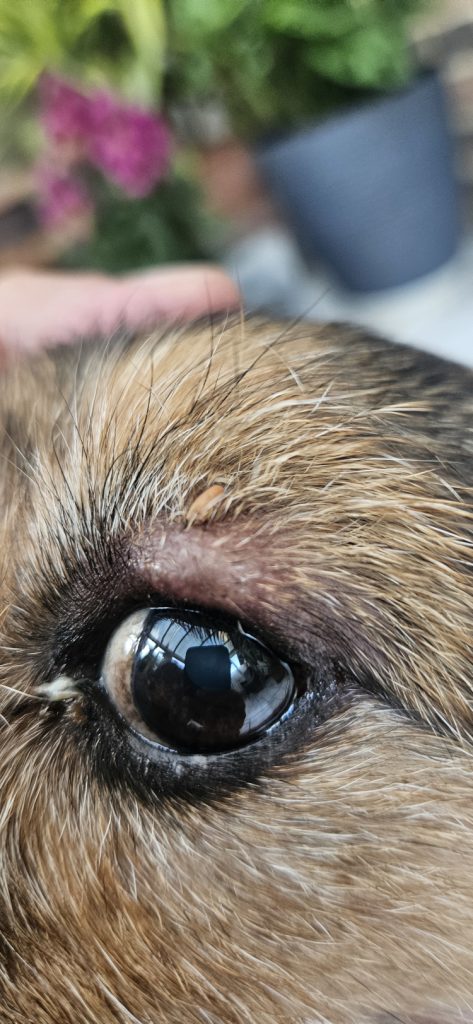
Symptoms of a Tick Infestation:
While ticks are often small and hard to spot, several symptoms can indicate your dog may have one attached:
1. Excessive Scratching or Licking: If your dog is scratching, licking, or biting at a specific area of their body, it might be a sign of irritation caused by a tick.
2. Redness or Swelling: Look for any signs of inflammation or irritation around the area where a tick may be lurking.
3. Behavioural Changes: If your dog seems unusually lethargic, dazed, or shows signs of discomfort, it could be a sign of an issue related to ticks.
4. Presence of a Tick: The absolute way to identify a tick is to physically find one. Check areas where ticks typically like to hide, such as:
– Around ears and under the collar
– Between toes and paw pads
– In armpits and groin areas
– On the belly and along the back
The Impact Ticks Can Have on Your Dog
Ticks aren’t just a nuisance; they can transmit a variety of diseases, some of which can be quite serious:
– Lyme Disease: Caused by the Borrelia burgdorferi bacteria, Lyme disease can lead to joint pain, swelling, and sometimes heart complications.
– Ehrlichiosis: This condition can cause fever, lethargy, and severe anaemia. Untreated, it can lead to serious long-term health issues.
– Anaplasmosis: Similar to Lyme disease in terms of transmission and symptoms, anaplasmosis can negatively affect your dog’s blood cells.
– Babesiosis: This disease can lead to significant illness, including fever, jaundice, and sometimes organ failure.
With such severe potential outcomes, being vigilant about ticks and knowing how to act is vital.
Safely and Easily Removing Ticks
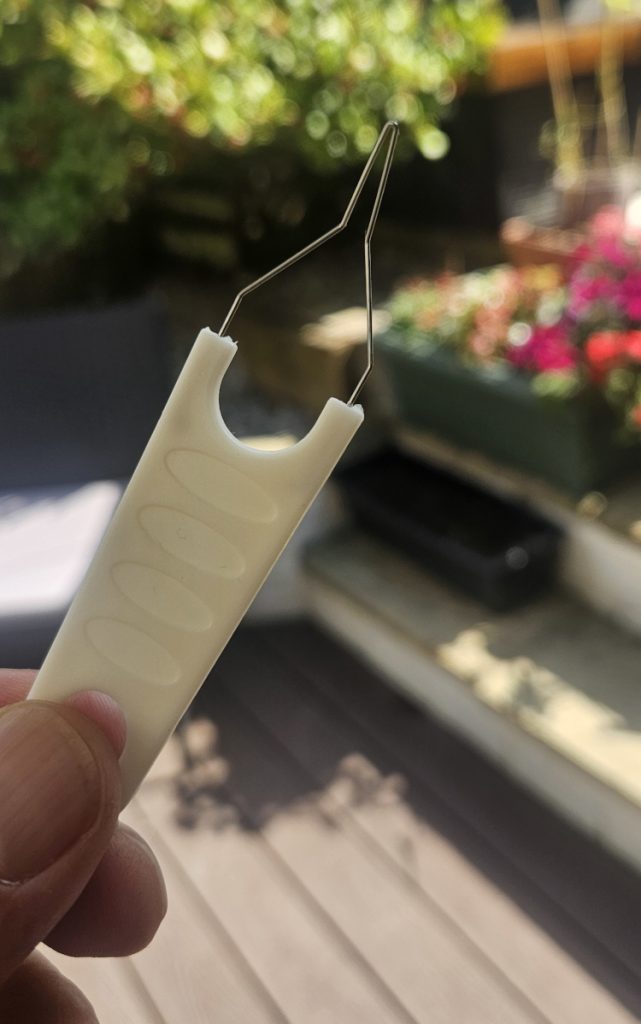
If you suspect your dog has a tick attached, the next step is to remove it. The use of a tick removal tool is the safest and most effective method. We recommend the tick removal tool available here.
Here’s a step-by-step guide on how to use it correctly:
1. Prepare Your Supplies: Gather your tick removal tool, gloves (to ensure hygiene), and if possible, some antiseptic wipes.
2. Locate the Tick: Gently part your dog’s fur to clearly see the tick. Ensure you can access it without difficulty.
3. Using the Tick Removal Tool: Follow the instructions provided with the tool:
– Position the tool so that its notch fits around the tick.
– Gently but firmly pull upwards without twisting or jerking. It’s important to remove the head and mouth parts entirely, as these can lead to infection.
4. Clean the Area: After removal, clean the bite area with an antiseptic wipe to prevent any infection.
5. Safe Disposal: Dispose of the tick by placing it in a sealed bag or container, or flushing it down the toilet. Do not crush it in your fingers.
6. Monitor Your Dog: Keep an eye on the area for the next few days. If any signs of irritation persist, or if your dog seems unwell, reach out to your vet.
Prevention: Keeping Your Dog Tick-Free
While you can take immediate action when a tick is detected, prevention is always better than cure. Here are a few strategies to prevent ticks from making your furry friend a target:
1. Regular Tick Checks: After each outdoor adventure, inspect your dog for ticks. Focusing on areas where they are most likely to hide can help catch a tick before it has time to embed itself.
2. Use Preventative Treatments: Talk to your vet about appropriate tick prevention treatments for your dog. There are a variety of options available, including topical treatments, collars, and oral medications that can help keep ticks away.
3. Create a Tick-Safe Zone: If you have a garden, keep it maintained. Regularly mowing the lawn, clearing tall grasses, and removing brush can help reduce tick habitats.
4. Limit Outdoor Exposure in High-Tick Areas: When walking your dog, try to avoid heavily wooded areas, tall grasses, and shrubs where ticks are more likely to reside.
5. Bathtime Basics: Regular bathing can help to wash away ticks before they attach. Use a tick-repellent shampoo designed for dogs.
6. Educate Yourself and Others: Ensure that everyone in your household knows how to identify and safely remove ticks and understands the importance of preventing them.
As we enjoy the great outdoors with our dogs this summer, being proactive about tick prevention and removal is key to ensuring their health and happiness.
By implementing regular tick checks, using preventative products, and knowing how to safely remove ticks, you can help protect your furry friend from these unwanted pests. If you’re concerned about ticks or your dog’s wellbeing, don’t hesitate to consult your veterinarian for tailored advice and treatment options.
After all, a happy and healthy dog makes for the best summer adventures! Happy walking!
