7 Autumn Hazards Every Dog Owner Should Know About
There’s something wonderful about autumn walks with your dog. Crisp mornings, colourful leaves, muddy woodland paths and plenty of interesting new smells to investigate.
But while autumn is a lovely time to get outdoors, the changing season brings a few hidden dangers that aren’t always obvious.
From shiny conkers scattered across the pavement to wild mushrooms hiding among fallen leaves, some of the things your dog discovers on a walk could make them seriously unwell.
The good news? A little awareness and a few simple precautions can help you and your dog enjoy everything autumn has to offer.
Here are seven autumn hazards every UK dog owner should know about, and what you can do to keep your four-legged friend safe.
1. Conkers – Not the Harmless Toys They Appear to Be
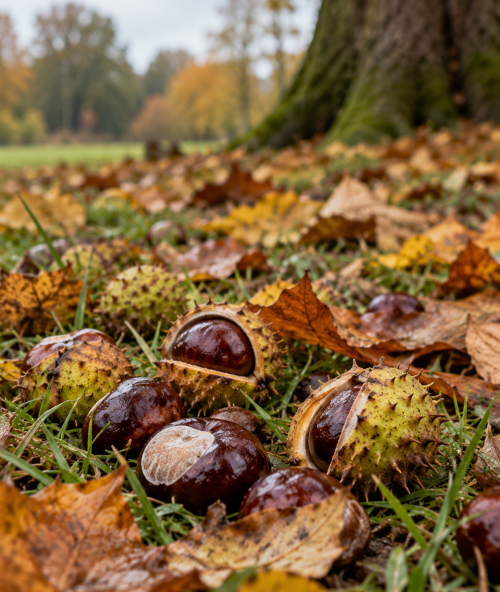
For many of us, collecting conkers is a familiar autumn tradition. For dogs, however, these shiny brown seeds can be dangerous.
Conkers come from horse chestnut trees and contain a toxic substance called aesculin, which can cause illness if eaten.
Possible symptoms include vomiting, diarrhoea, abdominal discomfort and restlessness. More serious poisoning is possible, although uncommon.
There’s another concern, too. Because conkers are relatively large and hard, they can become lodged in a dog’s digestive system, potentially causing a dangerous blockage.
How to keep your dog safe:
- Watch out for conkers beneath horse chestnut trees, particularly in parks and woodland areas.
- Don’t encourage your dog to chase or retrieve conkers.
- Practise a reliable ‘leave it’ command.
- Contact your vet promptly if you think your dog has swallowed or chewed a conker.
A favourite dog toy is a much safer alternative to anything found beneath a horse chestnut tree!
2. Acorns – Small but Potentially Harmful
Acorns might look less tempting than conkers, but they’re another autumn hazard worth watching out for.
These small nuts fall from oak trees and contain tannins, which can irritate a dog’s digestive system if eaten.
Depending on the amount consumed and the individual dog, symptoms may include vomiting, diarrhoea and abdominal pain. Larger quantities can cause more serious problems.
Like conkers, acorns can also present a choking or intestinal blockage risk, particularly for smaller dogs.
How to keep your dog safe:
- Be especially vigilant when walking beneath oak trees.
- Discourage your dog from picking up or chewing acorns.
- Keep an eye on puppies and dogs who enjoy scavenging.
- Seek veterinary advice if you suspect your dog has eaten any.
Remember, something being natural doesn’t necessarily mean it’s safe for your dog to eat.
3. Fallen and Rotting Fruit – Not Always a Healthy Snack
Autumn often means fallen apples, pears and other fruit scattered beneath trees.
Although some fresh fruits can be suitable occasional treats for dogs when prepared correctly, rotting or fermenting fruit is a different matter entirely.
As fruit decomposes, it can develop mould, and certain moulds produce toxins that can cause serious illness. Fermenting fruit can also contain alcohol.
Fruit stones, pips and other discarded parts may present additional hazards depending on the fruit.
How to keep your dog safe:
- Prevent your dog from eating fallen or rotting fruit.
- Clear spoiled fruit from your garden regularly.
- Keep compost bins secure and inaccessible to pets.
- Offer suitable, fresh dog-safe treats instead of allowing your dog to forage.
If your dog eats mouldy or fermenting fruit, contact your vet promptly, even if they seem fine.
4. Wild Mushrooms – A Risk That’s Difficult to Identify
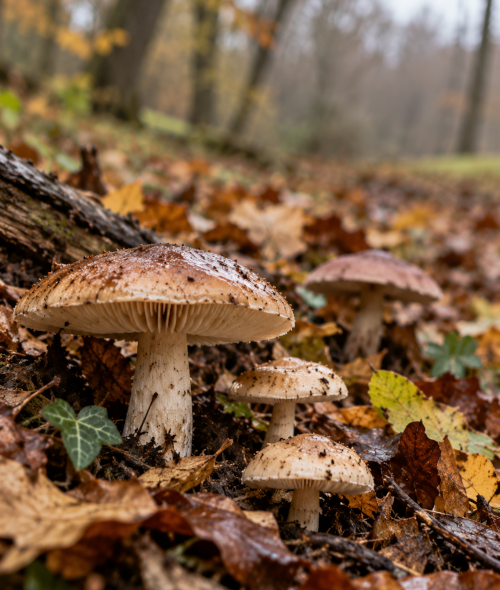
Autumn’s damp conditions are ideal for mushrooms and other fungi, which can appear almost overnight in gardens, parks and woodland areas.
While many wild mushrooms are harmless, some species are extremely poisonous to dogs.
The difficulty is that toxic and non-toxic mushrooms can look remarkably similar, making identification unreliable for most people.
Depending on the species, mushroom poisoning can cause anything from digestive upset to serious damage to internal organs.
How to keep your dog safe:
- Never allow your dog to eat wild mushrooms or toadstools.
- Check your garden regularly, especially after wet weather.
- Keep your dog close when walking through areas with lots of fungi.
- If your dog eats a wild mushroom, contact your vet immediately. If it’s safe to do so, take a photograph or collect a sample without delaying treatment.
Don’t wait for symptoms to develop. Some poisonous mushrooms can cause delayed illness, even when a dog initially appears perfectly well.
5. Slugs and Snails – The Hidden Lungworm Risk
Wet autumn weather often brings more slugs and snails into gardens and onto walking routes.
While they might not seem particularly threatening, some slugs and snails can carry larvae of a parasite called lungworm.
Dogs can become infected by accidentally or deliberately eating infected slugs or snails, sometimes while eating grass or investigating objects outdoors.
Lungworm can cause serious health problems, including breathing difficulties and bleeding disorders.
Symptoms can vary and may include coughing, unusual tiredness, weight loss or unexplained bleeding.
How to keep your dog safe:
- Discourage your dog from eating slugs and snails.
- Wash outdoor food and water bowls regularly.
- Avoid leaving toys outside where slugs and snails may crawl over them.
- Ask your vet whether your dog’s parasite prevention routine includes effective lungworm protection.
Not every worming treatment protects against lungworm, so it’s worth checking rather than assuming your dog is covered.
6. Ticks – Don’t Forget About Them When Summer Ends
Ticks are often associated with spring and summer, but they can remain active during mild autumn weather.
These small parasites attach themselves to animals and feed on their blood. Some ticks can transmit infections, including Lyme disease.
Dogs exploring long grass, woodland and areas with dense vegetation may be more likely to encounter them.
Because ticks can be surprisingly small, they’re not always easy to spot beneath a dog’s coat.
How to keep your dog safe:
- Check your dog for ticks after walks, especially around the ears, neck, armpits, groin and between the toes.
- Use a suitable tick-removal tool if you find one.
- Avoid squeezing, burning or covering attached ticks with substances such as petroleum jelly.
- Speak to your vet about appropriate tick prevention.
It’s a good habit to give your dog a quick once-over after every countryside walk, whatever the season.
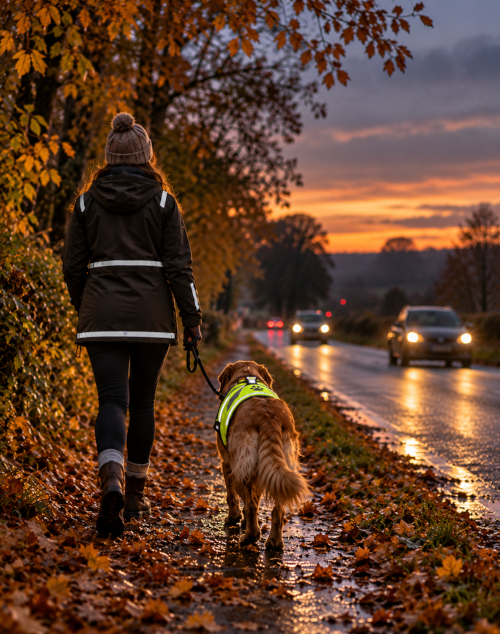
7. Darker Evenings – A Different Kind of Autumn Hazard
Not every autumn danger involves something your dog might eat.
As daylight hours shorten, evening walks can become noticeably darker, making it harder for drivers, cyclists and other pedestrians to see you and your dog.
Poor visibility can also make it more difficult to spot uneven ground, obstacles or hazards your dog might investigate.
And with the clocks going back later this month, those familiar after-work walks will soon feel very different.
How to keep your dog safe:
- Use reflective or illuminated collars, harnesses and leads.
- Wear reflective or light-coloured clothing yourself.
- Carry a torch or head torch, especially on unlit routes.
- Keep your dog on a lead near roads or where visibility is poor.
- Choose familiar, well-lit walking routes when possible.
A few small changes to your walking routine can make autumn evenings safer and more enjoyable for everyone.
What Should You Do If Your Dog Eats Something Dangerous?
Even with the best precautions, accidents can happen, especially with curious puppies or dogs who love investigating everything they find.
If you suspect your dog has eaten something poisonous or potentially harmful:
- Contact your vet immediately, even if your dog appears well.
- Tell them what your dog may have eaten, roughly how much and when.
- If possible, take a photograph or keep a sample of the suspected substance.
- Never try to make your dog vomit unless specifically instructed to do so by a veterinary professional.
- Follow your vet’s advice promptly rather than waiting for symptoms.
Quick action can make a significant difference.
Enjoying Autumn Safely With Your Dog
Autumn is a wonderful season for spending time with your dog, and there’s certainly no need to avoid those lovely woodland walks or countryside adventures.
The key is knowing what to watch out for.
A little extra attention around fallen conkers, acorns, mushrooms and rotting fruit, alongside sensible parasite prevention and safer walking habits, can help you make the most of the season.
And remember, a reliable ‘leave it’ command can be one of the most useful skills your dog learns, particularly if they’re naturally curious about everything they find outdoors.
Here’s to crunchy leaves, muddy paws and plenty of safe autumn adventures! 🍂🐾
The Broadleaf Dog Guide is designed to provide helpful, general information for dog owners. It is not a substitute for professional veterinary advice. If you’re concerned about your dog’s health or suspect poisoning, always contact your vet.