Does Your Dog Need More Food When the Weather Gets Colder?
As the temperatures drop and we swap lighter jackets for winter coats, it’s natural to start thinking about keeping ourselves warm and comfortable.
But have you ever wondered whether your dog needs a little extra food during the colder months?
It’s an interesting question, and one that many dog owners may never have considered.
After all, if our dogs are using more energy to stay warm, surely they need more calories to compensate?
Well, the answer might surprise you.
While some dogs genuinely do need additional food during colder weather, others may actually need less.
Here’s why.
Do Dogs Burn More Calories in Cold Weather?
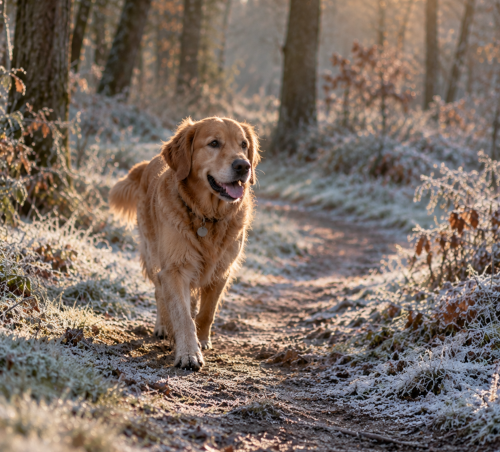
Just like us, dogs need to maintain a healthy body temperature, regardless of the weather outside.
When temperatures fall, their bodies may need to use additional energy to stay warm. This can increase their calorie requirements, particularly if they’re spending extended periods outdoors.
However, not every dog experiences the same increase in energy needs.
A working dog spending hours outside in freezing temperatures will have very different requirements from a small companion dog enjoying short walks before returning to a warm, centrally heated home.
Factors such as breed, coat thickness, body size, age, activity levels and overall health all play a part.
Why Most Household Dogs Don’t Automatically Need More Food
For many family dogs, winter doesn’t necessarily mean they need larger meals.
Think about their daily routine.
They might enjoy a morning walk, spend most of the day relaxing indoors, and head out again for an evening stroll.
If their home is comfortably heated and their activity levels remain relatively unchanged, they may not need any additional calories at all.
In fact, some dogs become less active during autumn and winter.
Shorter daylight hours, wet weather and colder temperatures can mean shorter walks and less outdoor play.
If your dog is moving less but eating more, those additional calories could contribute to unwanted weight gain.
That’s why increasing food portions simply because winter has arrived isn’t always a good idea.
Which Dogs Might Need More Food During Winter?
Although many household dogs won’t need a change, some dogs may benefit from additional calories when the weather gets colder.
These include:
- Working dogs: Dogs spending long periods outdoors, particularly in very cold conditions, may burn considerably more energy.
- Highly active dogs: Those enjoying extended hikes, running or other demanding outdoor activities may have increased calorie requirements.
- Dogs exposed to cold for longer periods: Maintaining body temperature can require additional energy, especially when temperatures fall below a dog’s comfort range.
- Dogs with thinner coats or less insulation: These dogs may lose heat more quickly, although appropriate coats and limiting cold exposure are important too.
Every dog is different, so there’s no universal rule about how much extra food they might need.
And remember, feeding more isn’t a substitute for keeping your dog warm and comfortable.
How Can You Tell if Your Dog Is Getting Enough Food?
Rather than automatically increasing portions, one of the best things you can do is monitor your dog’s weight and body condition throughout the year.
Getting your dog’s portions right isn’t always straightforward, and there are plenty of misconceptions about how much and what we should be feeding them. We explored some of these in our recent article, 5 Biggest Misconceptions About Feeding Your Dog.
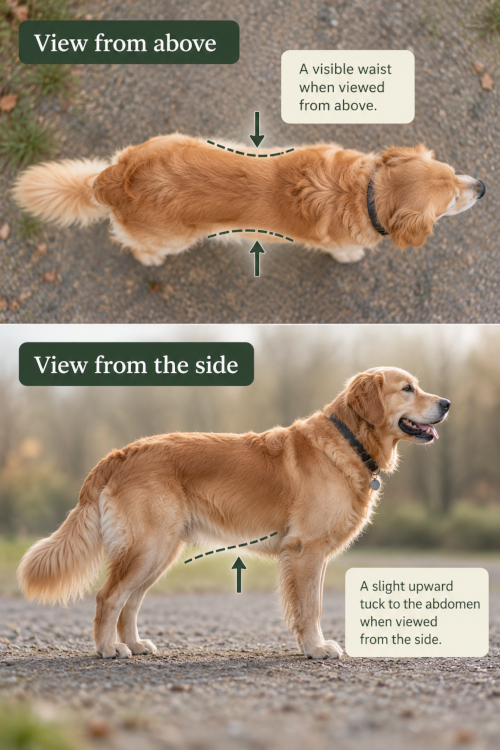
A dog at a healthy weight will generally have:
- Ribs that can be felt easily beneath a thin covering of fat.
- A visible waist when viewed from above.
- A slight upward tuck to the abdomen when viewed from the side.
If your dog is gradually losing weight despite eating their usual amount, their calorie requirements may have increased.
Conversely, if they’re gaining weight during the colder months, they may be eating more calories than they’re using.
It’s worth remembering that a thick winter coat can sometimes make changes in body condition harder to spot.
Regular weighing, alongside checking their body condition, can help you identify changes early.
If your dog experiences unexplained weight loss, changes in appetite or unusual tiredness, speak to your vet rather than assuming the weather is responsible.
Should You Change Your Dog’s Feeding Routine for Winter?
For most healthy household dogs, the best approach is to keep their usual feeding routine unless there’s a reason to change it.
Continue providing a complete, balanced diet appropriate for their age, size and activity level, and monitor their weight and body condition.
If your dog genuinely needs additional calories because they’re more active or spending significant time in cold conditions, any changes should be made gradually.
And don’t forget about treats!
Those extra rewards during training sessions or cosy afternoons indoors still contribute to your dog’s daily calorie intake.
If you’re unsure whether your dog’s nutritional needs have changed, your vet can help you assess their ideal weight and feeding requirements.
The Bottom Line: It’s About Your Dog, Not the Weather
So, does your dog need more food when the weather gets colder?
Not necessarily!
While dogs exposed to prolonged cold or increased physical activity may require additional calories, many household dogs can continue eating exactly the same amount throughout the year.
The important thing is to pay attention to your individual dog’s needs rather than making seasonal changes automatically.
Whatever the weather, a nutritious, balanced diet and maintaining a healthy weight are two of the best ways to support your dog’s overall wellbeing.
At Broadleaf Grain Free, we offer a range of complete dog food recipes for different life stages, helping you provide your four-legged friend with the nutrition they need all year round.
Because whether it’s sunshine, rain or snow, keeping our dogs happy and healthy is always in season! 🐾
The Broadleaf Dog Guide provides general information for dog owners and is not a substitute for professional veterinary advice. Always consult your vet if you have concerns about your dog’s weight, appetite or nutritional requirements.