
If you have ever studied the labels on dog foods, you will notice a myriad of information, including the ingredients, analytical constituents, additives and feeding guidelines. But what does it mean? And what should you be looking out for when...
Call us now: 07740 352837
-
Shop by category
- 100% Natural Treats (65)
- All Treats (65)
- Boredom Busters (30)
- Hairy Treats (8)
- Low Fat Treats (28)
- Training Treats (11)
- Treat Boxes (7)
- Cat Food (8)
- Adult Cat Food (7)
- Kitten Food (1)
- Peptide+ Cat Food (3)
- Dog Food (33)
- Adult Dog Food (20)
- Peptide+ (3)
- Puppy Food (8)
- Senior Dog Food (11)
- Small Breed (14)
- Wilderness 80 (4)
- Samples (35)
- Cat Food Samples (8)
- Adult Samples (4)
- Kitten Samples (1)
- Peptide+ Samples (3)
- Dog Food Samples (27)
- Adult Samples (11)
- Puppy Samples (3)
- Senior Samples (3)
- Small Breed Samples (6)
- Tailored Veterinary Range Samples (3)
- Wilderness 80 Samples (3)
- Cat Food Samples (8)
- 100% Natural Treats (65)
Search
Category: Dog Food Ingredients

Are grains really that bad for our dogs? If you have a look online there are arguments both for and against grains in dog food. Normal Dog Food Normal dog food, in other words, those that contain grain, are still...

The arrival of a new puppy brings with it an unbridled joy - every friend, relative and neighbour want to meet them, you end up taking about a thousand photos and life with your new addition seems set. Until it...

We are often asked – what’s the difference between ‘working dog food’ and ‘normal’ dog food? If you have ever had a look at the labels on dog foods, you may have noticed that some are labelled as ‘working dog...
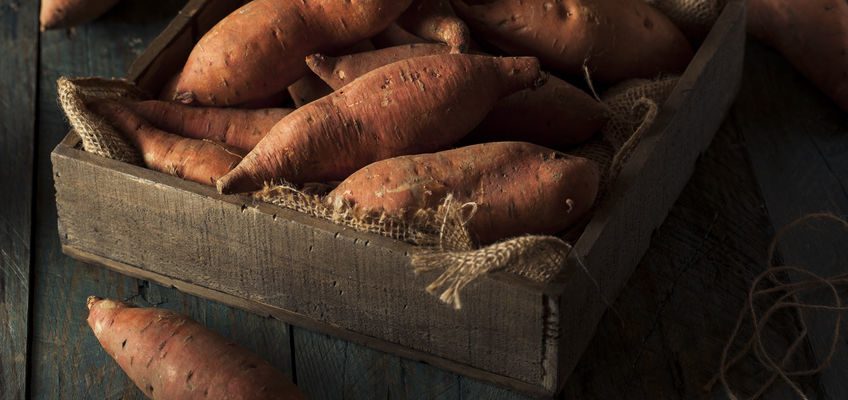
If you’ve had a look at our dog food range, or indeed given pooch some of our food, you may have noticed that all of our products contain sweet potato as a key ingredient. But why? Firstly, it’s packed with...
The humble pea - found on dinner tables everywhere and an important ingredient in our dog food! Peas are a concentrated source of highly-digestible vegetable protein and great when used in combination with animal-based proteins as they complement each other...

Dogs are mostly meat-eaters, otherwise known as carnivores, and biologically incapable of fully digesting grains such as corn, wheat and barley. This is because they don't have enough of the enzyme called amylase, whereas plant-eating animals (herbivores) do. Amylase is...

We have cultivated wheat for around 10,000 years, however, in the industrial era things changed. First, we invented mechanical technologies to turn wheat into barren white flour. Then, we invented chemical and genetic technologies to make it resistant to pests...